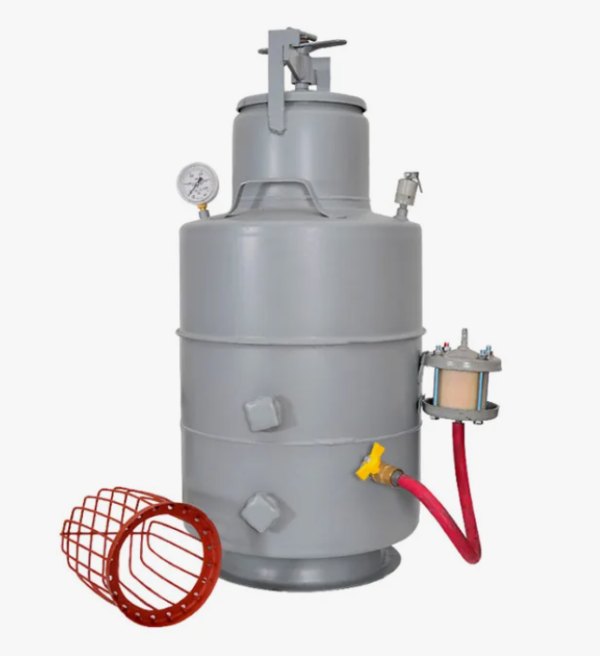
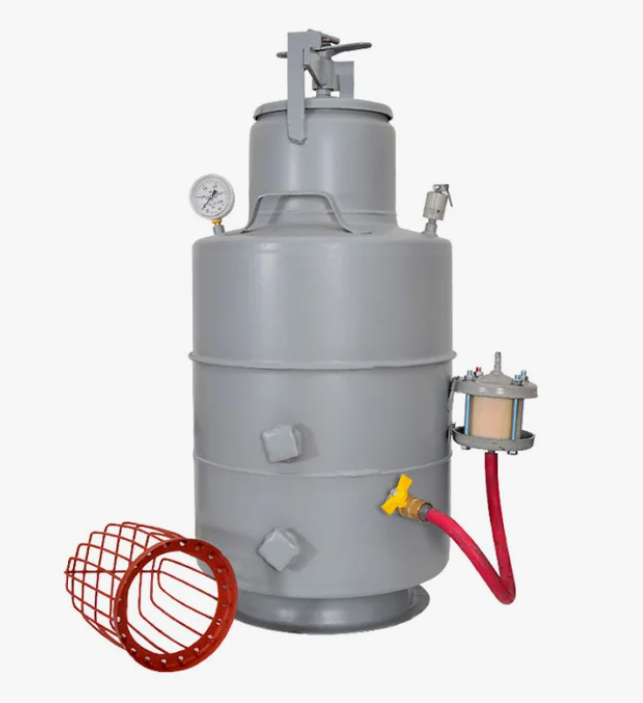
Acetylene generator ASP-10
Production acetylene generator ASP-10 with high efficiency and reliability, designed for the generation of hydrocarbon gas by thermal decomposition of carbides in the presence of water.
Acetylene generator ASP-10
Weight, kg :16.5
Capacity, l :50.6
Dimensions, mm : 450х600х1000
Warranty:1 year
Equipment: with pressure gauge
Material : Steel
Manufacturer : AUTOGEN
Productivity, m/h :1.5
Country of manufacture :Russia
Operating temperature: -20 – +30
FAQ:
Q1: What is an acetylene generator? What is its main purpose?
A: An acetylene generator is a device that generates acetylene gas on-site through a chemical reaction (usually a reaction between calcium carbide CaC ₂ and water). Mainly used for industrial operations such as gas welding, gas cutting, metal heating, and heat treatment, especially in sites without acetylene cylinders or pipeline gas supply conditions.
Q2: What is the working principle of acetylene generator?
A: The core reaction is: CaC ₂+2H ₂ O → C ₂ H ₂ ↑+Ca (OH) ₂. Calcium carbide comes into contact with water to produce acetylene gas, which is purified, stabilized, and cooled before being output for use in welding or cutting torches. Some equipment is equipped with pressure control, safety relief, and water level regulation devices.
Q3: Why do acetylene generators require pressure gauges and safety valves?
A: Acetylene is flammable and explosive, and excessive pressure may cause equipment to rupture or explode. The pressure gauge is used to monitor the pressure inside the tank in real time, and the safety valve automatically releases pressure when overpressure occurs, ensuring operational safety. The safety valve and pressure gauge connected to the red hose on the right side of the device in the picture are designed for this purpose.
Q4: Can acetylene generators be moved and used on site?
A: Yes, it is designed to be portable and suitable for occasions without a fixed gas source such as construction sites, workshops, and outdoors. But before moving, the pressure must be completely released and residual gases and liquids must be emptied.
Q5: What are the safety risks of using an acetylene generator?
A: The main risks include:
Acetylene explosion (explosive in air at concentrations of 2.5% -80%);
Calcium carbide reacts violently with water to release heat, which may cause a fire;
Equipment aging, corrosion leading to leakage or rupture;
Improper operation leads to tempering or loss of pressure control.
✅ It is necessary to strictly follow safety regulations, wear protective equipment, and stay away from fire sources.
Q6: How to purify the acetylene gas generated by the acetylene generator?
A: The generated acetylene is often mixed with impurities such as hydrogen sulfide (H ₂ S) and phosphine (PH ∝). Some equipment is equipped with filter tanks or purification devices (such as the two small tanks in the picture), which contain adsorbents or chemical reagents to remove harmful impurities and ensure gas purity and combustion stability.
Q7: Why can’t acetylene generators be used upside down or tilted?
A: To prevent water from entering the reaction zone too quickly and causing violent reactions, sudden pressure increases, or flying calcium carbide powder, the equipment is usually required to be placed upright and the water addition rate should be controlled. Inverted or tilted may trigger uncontrolled reactions, even explosions.
A: Yes, it must be regularly maintained:
Clean the sediment inside the tank (such as calcium hydroxide scaling);
Check whether the valves, pressure gauges, and sealing rings are aging;
Replace the filter material;
After discontinuation, thoroughly empty, dry, and store in rust proof condition.
The equipment in the picture is severely corroded, indicating long-term lack of maintenance. It is recommended to stop using or replace it.
A: It’s not possible. The acetylene generator is an independent gas production device, and its output pressure and purity are different from those of acetylene cylinders. It cannot be directly connected to the standard acetylene cylinder pipeline system and requires a dedicated welding torch and pressure reducer.