The FRB series flashback arrestor is a safety device series designed specifically for industrial gas systems (acetylene and propane). Its core function is to prevent flames or high-temperature gases from flowing back (i.e. “flashback”) into the pressure regulator and upstream gas supply system, thereby avoiding explosion accidents.
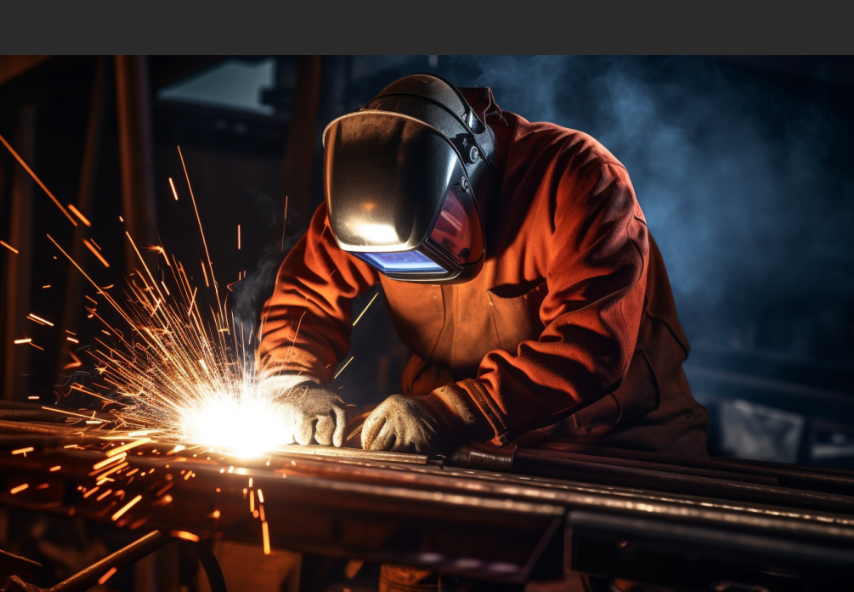
What is the FRB series backfire preventer for industrial gas systems (acetylene and propane)?
The FRB series flashback preventer is a safety device series designed specifically for industrial gas systems (acetylene and propane). Its core function is to prevent flames or high-temperature gases from flowing back (i.e. “flashback”) into the pressure regulator and upstream gas supply system, thereby avoiding explosion accidents.
You can understand it as a “one-way intelligent safety valve” installed at the outlet end of the gas pressure regulator. Normally, it allows gas to flow smoothly towards the welding and cutting torch; Once tempering occurs, it can automatically cut off the gas path within milliseconds, becoming the last line of defense to protect gas cylinders, pipelines, and personnel safety.
Because acetylene and propane in industrial gas systems are special and require specialized safety equipment (such as FRB series flashback arresters) for protection, mainly because they have significant differences in physical properties, chemical characteristics, and usage risks compared to ordinary gases, especially in high-pressure and high-temperature industrial environments where the danger is amplified.
The particularity and risks of propane
High working pressure and liquefaction characteristics:
Propane is usually stored in liquid form in steel cylinders and vaporizes during use. Its working pressure is much higher than acetylene (usually up to 5-15 bar), and the pressure varies greatly with ambient temperature.
Safety measures: Relevant equipment (pressure reducers, flashback arresters, pipelines) must have a higher pressure rating and sealing performance.
Heavier than air and prone to accumulation:
Propane vapor has a higher density than air, and after leakage, it will deposit in low-lying areas such as the ground and ditches, making it difficult to dissipate. When mixed with air, it forms flammable and explosive gases, which can ignite when exposed to a fire source.
Safety measures: The usage environment must be well ventilated and equipped with gas leak alarms.
High calorific value and special applications:
Although propane flame temperature is slightly lower than acetylene, it has a high calorific value and is commonly used for preheating thick steel plates, metal brazing, ceramic firing, asphalt laying, etc. Its tempering characteristics are different from acetylene.
Safety measures: The triggering temperature and flow rate design of the anti backfire device need to be optimized for propane.
The particularity and extremely high risk of acetylene
Chemical instability:
Acetylene has a unique molecular structure and is the most unstable among all commonly used gases. At pure state or specific pressure and temperature, decomposition and explosion can occur without the need for oxygen.
Safety measures: It must be stored and transported in special steel cylinders containing porous fillers such as acetone, and the pressure must be strictly controlled during use (the working pressure is usually below 1.5 bar).
Extremely high flame propagation speed and tempering risk:
The propagation speed of acetylene oxygen flame is extremely fast, and it is prone to “backfire” (the flame burns back into the hose and pressure regulator along the welding torch).
Safety measures: Flame arresters and anti backfire devices must be used, and there are strict restrictions on hose length and gas flow rate.
Unique “left-hand thread” safety standard:
To prevent accidental connection with oxygen or other gas equipment (mixing may cause explosions), global standards require acetylene cylinder valves, regulators, and connectors to use left-hand threads (reverse teeth), which is an intrinsic safety design.
Safety measures: The inlet of the FRB-A10 anti backfire device adopts left-hand threads to physically prevent misconnection.
| FRB-A10 (acetylene specific type) | FRB-P40 (propane specific type) | Design and Safety Instructions | |
| Applicable gases | (C₂H₂)Dissolve acetylene (C ₂ H ₂) | (C₃H₈ / LPG)Propane/Liquefied Petroleum Gas (C ∝ H ₈/LPG) | Specially designed based on gas chemical characteristics and combustion rate, mixing or replacement is strictly prohibited. |
| Max work pressure | 1.5 bar | 5 bar | Accurately match the standard outlet pressure of each pressure reducer. Propane has a higher working pressure, so the valve pressure and sealing design are different. |
| Rated flow rate | 10 m³/h | 40 m³/h | Propane has a lower calorific value and usually requires a much larger volumetric flow rate than acetylene, so the P40 model has a greater flow capacity. |
| Entrance/exit connection | 6mm or 8mm hose connector | 6mm or 8mm hose connector | Difference: Acetylene type inlet has left-hand threads (reverse threads), while propane type has conventional right-hand threads. This physical distinction is the core safety design to prevent misconnection. Optimize the tempering characteristics and airflow temperature for different gases. |
| Trigger temperature | 95 ± 10 ° C | 105 ± 10 ° C | Optimize the tempering characteristics and airflow temperature for different gases. |
| Valve body color identification | red or labeled with “acetylene” | blue or labeled with “propane/LPG” | Provide visual differentiation, strengthen on-site gas management, and prevent misuse. |
| Core safety standards | Compliant with EN ISO 5175-1 (acetylene) | Compliant with EN ISO 5175-2 (propane/LPG) | Follow international safety regulations for different gases separately. |
Why use specialized FRB series flashback arrestor ?
The common special requirements for industrial applications are extreme working conditions. In industrial environments, welding and cutting operations are often accompanied by splashes, high temperatures, vibrations, and oil stains, which require extremely high equipment reliability.
The equipment in the safety measures should be made of high-strength, corrosion-resistant industrial grade materials (such as brass, stainless steel) with a sturdy structure.
Industrial grade operations often require long periods of time, high flow gas supply, and flame stability due to high flow and pressure stability requirements.
In safety measures, safety devices such as flashback arresters must work under the premise of ensuring extremely low pressure loss, without affecting process quality.
Therefore, the particularity of industrial gas systems determines that general or household gas safety equipment cannot meet their requirements at all, and specialized and refined safety devices designed for specific gases, pressures, and risks such as the FRB series must be used. This is not only an efficiency requirement, but also a legally mandatory safety requirement, and a necessary technical measure to prevent major fire and explosion accidents
www.derkia.com/product/flashback-arrestor-for-direct-to-hose-flammable-gas/